Understanding solar
Understanding solar energy involves grasping the basic principles, technologies, and applications associated with harnessing the sun’s radiation for various purposes. Here are some key points to help you understand solar energy:
- Solar Radiation: Solar energy originates from the sun, where nuclear reactions generate intense heat and light. The sun radiates energy in the form of electromagnetic waves, including visible light, ultraviolet (UV) rays, and infrared (IR) radiation.
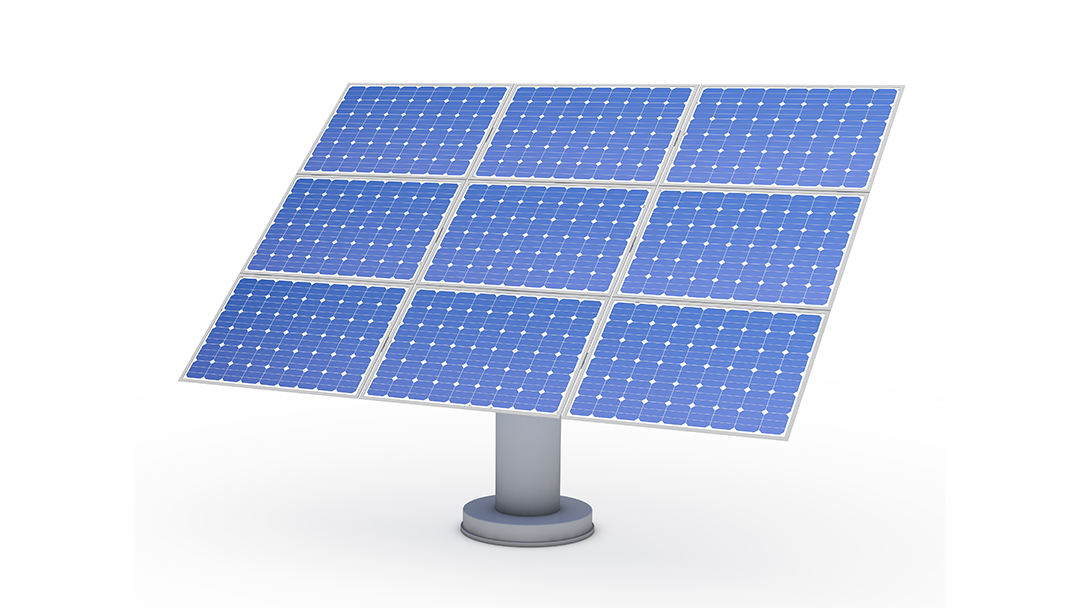
- Solar Photovoltaic (PV) Systems: Solar PV systems convert sunlight directly into electricity using photovoltaic cells. These cells are typically made of semiconductor materials, such as silicon, which generate an electric current when exposed to sunlight. Multiple PV cells are wired together to form a solar panel, and multiple panels are connected to create a PV array.
- Solar Thermal Systems: Solar thermal systems use the sun’s heat to generate usable thermal energy. These systems typically involve the use of solar collectors, which absorb solar radiation and transfer the heat to a fluid (such as water or air). The heated fluid is then used for various applications, including space heating, water heating, and industrial processes.
- Grid-Connected Solar Systems: Grid-connected solar systems, also known as grid-tied systems, are connected to the electrical grid. Excess electricity generated by the solar panels can be fed back into the grid, often through a process called net metering. This allows homeowners and businesses to offset their electricity consumption and potentially earn credits or financial incentives.
- Off-Grid Solar Systems: Off-grid solar systems, also called standalone systems, are not connected to the electrical grid. These systems typically incorporate battery storage to store excess energy generated during the day for use during periods of low or no sunlight. Off-grid solar systems are commonly used in remote areas or locations where grid access is limited or unreliable.
- Solar Energy Applications: Solar energy is used in various applications, including:
- Residential: Solar panels installed on rooftops can generate electricity for powering homes and reducing reliance on the grid.
- Commercial and Industrial: Businesses and industries utilize solar energy to offset their electricity consumption, reduce operating costs, and demonstrate environmental responsibility.
- Solar Farms: Large-scale solar farms consist of extensive PV arrays that generate significant amounts of electricity, which can be supplied to the grid.
- Water Heating: Solar thermal systems can heat water for residential, commercial, and industrial purposes, reducing the need for conventional water heaters.
- Agriculture: Solar energy can power irrigation systems, provide electricity for remote farming operations, and support greenhouse heating.
- Transportation: Solar energy can be used to charge electric vehicles (EVs) through solar charging stations or integrated solar panels on EVs themselves.
- Environmental Benefits: Solar energy is a renewable and clean energy source that produces no direct greenhouse gas emissions during operation. It helps reduce dependence on fossil fuels, mitigates climate change, and contributes to sustainable development.
- Solar Energy Efficiency: Advances in solar technology, such as improved PV cell efficiency, better manufacturing processes, and innovative system designs, have made solar energy more efficient and cost-effective over time.
- Government Incentives and Policies: Many governments offer incentives and policies to promote the adoption of solar energy, such as tax credits, feed-in tariffs, grants, and renewable portfolio standards. These measures aim to accelerate the transition to clean energy and support the growth of the solar industry.
- Future Trends: The solar industry continues to evolve, with ongoing research and development focused on improving efficiency, reducing costs, and integrating solar energy into various sectors. Emerging technologies include solar panels with higher efficiency, energy storage advancements, and innovative solar applications.
Understanding solar energy involves appreciating its potential, benefits, and the technologies involved in harnessing this abundant and renewable source of power. It is a key component of the global transition towards a more sustainable and cleaner energy future.